Opportunity Scoring
How each process step is scored for AI automation potential across impact, effort, and feasibility dimensions.
Every process step identified during interviews is evaluated and scored for AI automation potential.
Scoring Dimensions
Each opportunity is rated across three dimensions:
Impact (0–100)
How much value would automation deliver?
- Time savings per occurrence
- Error reduction potential
- Cost savings (labor, rework, delays)
- Employee satisfaction improvement
- Customer experience impact
Effort (0–100)
How complex is the implementation?
- Technical complexity
- Integration requirements
- Data availability and quality
- Change management needs
- Regulatory or compliance considerations
Feasibility (0–100)
How realistic is automation with current technology?
- Availability of proven solutions
- Data structure and accessibility
- Process standardization level
- Exception handling complexity
Combined Score
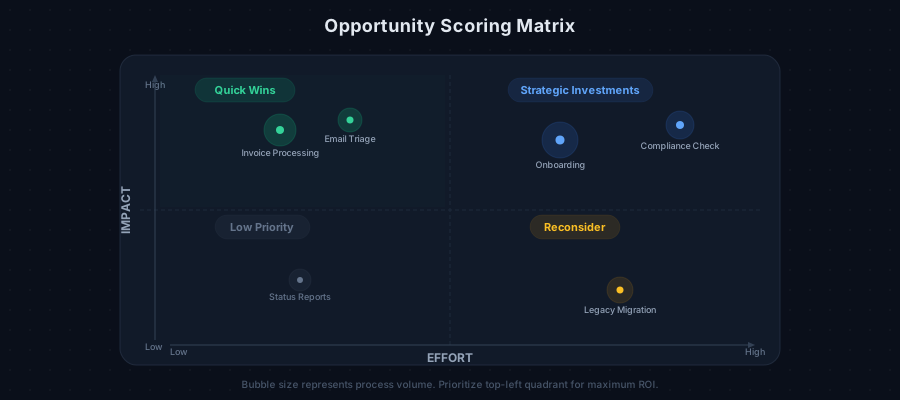
The overall opportunity score combines all three dimensions into a single 0–100 rating, weighted toward high-impact, low-effort opportunities — the "quick wins" that deliver the most value with the least investment.
Viewing Opportunities
Opportunities can be viewed as:
- Ranked list — sorted by combined score, highest first
- Impact × Effort matrix — quadrant view highlighting quick wins vs. strategic investments
- Heatmap — color-coded grid showing opportunity density across functions
Using Scores
Opportunity scores help you:
- Prioritize which processes to automate first
- Build a phased transformation roadmap
- Make data-driven investment decisions
- Communicate automation potential to leadership